Please stay tuned after the conclusion of the podcast for additional important information.
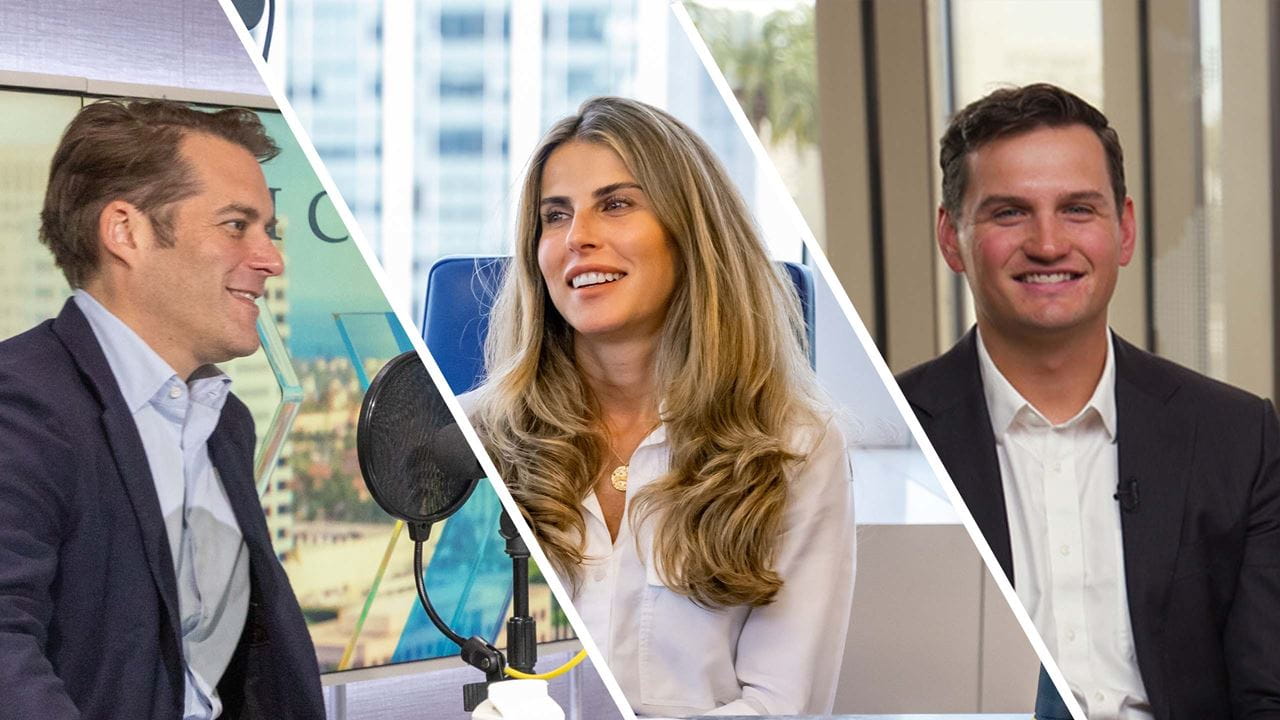
GREG HALL: Hey, everybody. Welcome to another episode of Accrued Interest, PIMCO's podcast dedicated to serving financial advisors and their clients. As usual, I'm your host, Greg Hall. I run our wealth management business here in the United States. I am super excited to be joined in the studio today with one of my new favorite people. And I keep trying to call you doctor. I really…
JILL SCHLESINGER: I would love that.
GREG HALL: I understand...
JILL SCHLESINGER: I mean, I feel like it's such a letdown to my entire family that I'm the only person without a graduate degree. So, you know, I'm only an undergrad. That's it.
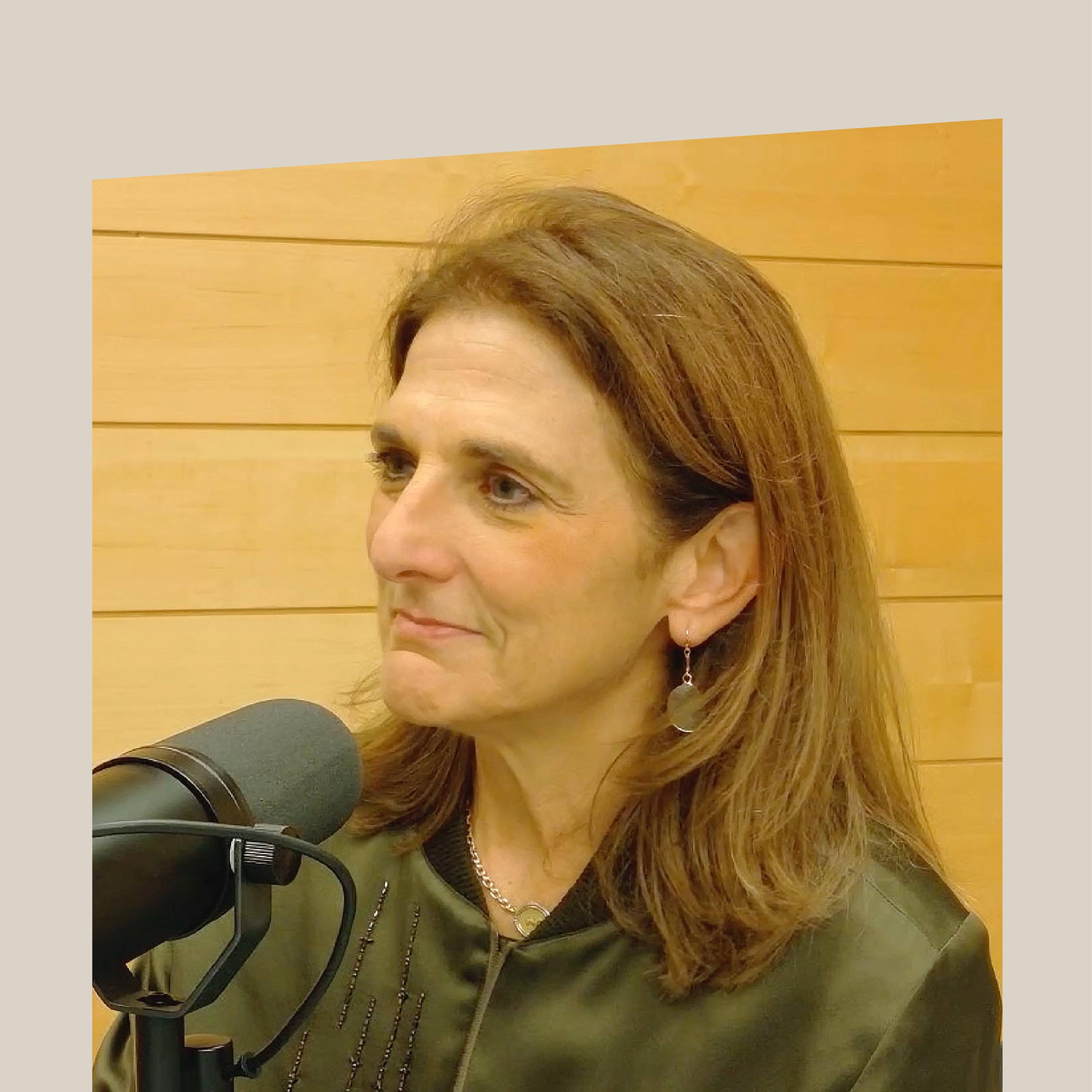
GREG HALL: Hey, we all disappoint our families at some point. But, you know, accrued interest is about truth. And I am not gonna give you a false accreditation. I am joined by Jill Schlesinger. Jill, you may know and probably do know, started her career as an options trader, ran, co-ran and operated in the investment function of an investment advisory firm for 14 years, and then switched and moved into media where she could broaden out the advice that she gives everyday investors. You can see her, I think, all over CBS News. Right. I mean, I think all over, basically, if you turn on CBS, you're on there talking about money.
JILL SCHLESINGER: Totally. I am the face of money and, no, I'm just kidding. Usually on the morning show, sometimes evenings.
GREG HALL: And you've got Jill on Money, which exists, I believe, as a podcast. Was on a radio show. You're on Substack under that moniker.
JILL SCHLESINGER: Yeah.
GREG HALL: If I'm not mistaken. And then I think there's another podcast that you do.
JILL SCHLESINGER: New show.
GREG HALL: This is Money Moves.
JILL SCHLESINGER: Yes. That's since I met you. That has come to fruition.
GREG HALL: Wow.
JILL SCHLESINGER: So, yeah. That just launched the end of June.
GREG HALL: And both of your shows, I think, are really special because it's not just about your views and your insights or your partner's insights on the shows, but then you have callers calling in actually with their money issues, and you get to tackle real life problems kind of in real time. Right?
JILL SCHLESINGER: Yeah. It's very old school. It is based on the old-time calling radio, like sports radio. You know, long time listener, first time caller. And we started this as a radio show 15 years ago through CBS and CBS lent me one of the radio producers and writers to help launch the show. And then five years after that, we turned towards podcasting, and Jill on Money became a podcast. So, we had a radio show podcast.
Earlier this year, the radio show ended, and it was kind of intense. Like I was a little bit thrown, not so much because I didn't understand the financial wherewithal and the viability of radio. But, you know, I just, I love spoken word, but then CBS came to me and they said, hey, you own Jill on Money on the outside of work, and we have nothing to do with that.
Would you launch a new show for us? That would be a YouTube show. And that was Money Moves. And, you know, it was tough because Jill on Money has a very loyal audience, but it tends to be kind of a different demo. They said, do something really different.
So I pitched them the idea that I wanted to be kind of like Aunt Jill to the 25- to 45-year-olds who had money questions and do it on YouTube and, you know, basically make it a little bit more of a robust show in terms of the pacing of it and some other features.
And so, yeah. We've been on the air since I think June 30th was our launch date. And it's been fun. It's really, it's a new skill for me to really move that show along and not wanna do an actual financial plan in real time for people.
GREG HALL: Yeah. Well, I mean, I've caught a few episodes and you talk about the difficulty of attaining a mortgage in a rate environment, like what we're seeing with housing prices, where they are, you talk about what to do about the AI slowdown, people call in and you get some good banter going with a, wait a minute. You know, how long have you been married, and, you know, like it's a really nice concept. We should think about it for accrued interest, but I think the questions might be a little too difficult.
JILL SCHLESINGER: Yeah. Well, I mean, I am not afraid to say that. I don't know. Something that, I mean, I think that one of the nice things is after doing this for so long, that if someone comes on the air and asks me something, and I really don't know, I'm like, you know, I don't know, but let me find out for you.
And we do always get back in touch with them. You know, someone asked a really weird question about like, what about if I'm a US citizen, but then I end up retiring abroad and I get paid this much, and what's the tax implication? I'm like, I’m not a CPA and we have a treaty with the UK I think it's all right, but like, someone knows this. I don't know this.
GREG HALL: Okay. Well, I teased your bio a little bit on the way in and you and I had the opportunity to have a conversation like this one back in June when PIMCO for Pride Month asked you to come and maybe talk to a bunch of our folks. And that was the first time you and I had met, and …
JILL SCHLESINGER: It was a great first date.
GREG HALL: It was so fun.
JILL SCHLESINGER: I mean, it was like, there were a lot of people who were on the date with us, but it was awesome.
GREG HALL: It was, yes. It was a weirdly public first date. But we ended up having this rolling rollicking conversation. And my favorite part of it was actually you kind of talking about your journey to where you are today. So, can you take us back to the options exchange, you know, the floor in the eighties?
JILL SCHLESINGER: Yes.
GREG HALL: How you found yourself there. And then maybe walk us through kind of how you got to where you are today.
JILL SCHLESINGER: Sure. I'll try to do this efficiently because you know, it's a weird story. First of all, I am not of the current, you know, younger generation that has, you know, sort of planned out my career. My career has taken twists and turns, and often it has just been random how I've taken one job versus another.
And I think that's sort of the luxury of graduating into a bull market is that you're like, oh, let me try this. But my dad was a trader on the floor of the American Stock Exchange. His best friend was a specialist on the floor of the New York Stock Exchange. So, my summer jobs as growing up in the suburbs of New York, I was a clerk. And these were physical exchanges where you did things like order that was complete, a paper order.
You put the paper orders down on you, you sort of saw the big post on the exchange, and in the back, there was a copying machine, and you made copies of the orders, you put it into a tube, the tube went shooting off. And both sides were apprised of what happened. So that's kind of like my roots. I got to college. I got very excited about broadcasting.
And I was an intern at the local NBC affiliate, and I was like the sports intern. I played sports in college, and I was fun. I thought I was gonna do that. And the summer after my junior year, I had half the summer where I was clerking for my dad's firm. And the other half of the summer is working for a communications company. Communications company paid you gave you 15 subway tokens, and that was your pay, basically. And when, you know, it was…
GREG HALL: That's not bad.
JILL SCHLESINGER: It was awesome. You know, it was, I think it was 85 cents a ride. And maybe you got a lunch every now and again. And listen, I was a clerk during a bull market. There was a frenzy. Everyone was making money. At the end of the summer, I got a $5,000 bonus out of nowhere. Because the firm was making so much money. And my father's like, don't give Jill a bonus. And his partners were like, we're not doing that. We don't like exclude her just because she's your daughter.
GREG HALL: It's great to work for your dad, isn't it?
JILL SCHLESINGER: Yeah. Don't give her that. She doesn't need that.
GREG HALL: The toughest job of my life. You know, by far working for my dad.
JILL SCHLESINGER: Yeah. So, when I came out of school out of college, I went to work on the floor of the commodities exchange for a company that no longer exists called Spear Leads in Kellogg. It was subsequently absorbed or bought out by Goldman Sachs. And they said, they were a clearing firm. And so, they saw the activity on all the major exchanges, and they saw on the commodities exchange were people making a lot of money.
And it is a little bit of the Wild West, if anyone who's listening, who sort of understands that commodities exchange is open outcry, whereas these other floors or have specialists. But it was regulated loosely. But there was something called dual trading. You could act as a broker and you could also trade for yourself on the same day.
That is not allowed on other exchanges. So, there was a lot of money being made. So, Spear said, let's go hire some young kids and throw them on the floor and we'll put some money in the account. So, we got hired as intern as clerks first 15 grand was the salary. As soon as you went on your seat, as soon as you started to trade, you went up to 30, and then you got a bonus. And that was it. And it was a brutal place to learn anything.
It was, you know, I thought I understood how a trading floor works. When we're, it didn't work like that on the commodities exchange. There we were also walking onto an exchange where there were a lot of people who paid dues, and we paid like zero dues, but had, you know, badges. So, we had our own trading badge. We, someone bought a seat for us on the commodities exchange.
GREG HALL: Were you the first generation? Okay, so this was a new program.
JILL SCHLESINGER: New thing
GREG HALL: And who are these kids who've just shown up with these?
JILL SCHLESINGER: It was tough. The pace of everything that was happening was like this transformation of a very active market that hadn't been transformed electronically yet. And so, a lot of what we did was by hand. And, but we were coming into using technology to help us, and we would have printed out trading sheets that would show fair values of options.
And, you know, I am a little bit of a math nerd, so I did like that. They threw me in the gold options ring and the silver. So, I traded gold, silver, and copper options. And, you know, it was great. And then after one month of trading, the crash of 1987 occurred. And it was insane. And gold was going limit up then limit down. And there was like a lot going on. And my father's firm was like, going broke because they got caught long and all these things were happening.
And at the end of the day, it was like pretty, it was like we got quite the six of us who got hired. We got an amazing experience. After six months, there were three left, and after 12 months, there was one left.
GREG HALL: Was that because they were pushed out because the firm had become less profitable or did people opt out for their own sanity?
JILL SCHLESINGER: Three people opted out. And at the end of the first year, I left because I got a nice bonus and I just said, what do I need to trade for them for? I'll trade for myself. And so, I bought my own seat and then traded for another few years on my own.
GREG HALL: Pretty gutsy for somebody in their early twenties.
JILL SCHLESINGER: I had so little to lose, I had very little to lose. You know, it's like, you know, you could open an account with a hundred grand in it and be like, okay. And so, I got a good bonus. It was fun. I kept trading, you know, it was like a vicious place. 8 women, 800 men.
There’s no room for like emotions and you win over trust, and there's all these things that are happening on the floor. At the end of the day, I actually realized that the thing that I thought was so awesome about trading, which was that it was like a sport became kind of boring to me. And I, what I learned was that, well, you know, it's a weird thing. All you're doing is making money. Like in a great day, you're making money.
And on a bad day, you're losing money. But there's like, there's nothing else. And I, maybe I didn't like making money, or maybe I didn't make, I wasn't good enough to be making so much money. So, there was a month, like in the summer, and my dad was over at my apartment.
We were meeting my mom and my sister for dinner, and he was looking at my trading sheets, and he's like, oh my God, you're such a great July. And I'm like, yeah. And then there was like a pause and he just looked at me. He goes, honey, this is it. Like this is all there is.
GREG HALL: Yeah. If you're not excited about this, then the job doesn't hold anything else for you. And is that because it just wasn't activating kind of other, you'd mentioned you were already interested in broadcasting. It was, it just not?
JILL SCHLESINGER: I wish I could tell you that I would. It just, I didn't know what it was, but it wasn't providing me with that sense of real satisfaction. And you know, I'm highly competitive, but, you know, it wasn't like you're all on the same team. Even if you worked for a firm, you were really your own person, you know, and you're out there and you're trading and you have friends and you help friends out who blow out and you do those things.
But it was not doing it for me. My dad said to me very clearly was, if you can't get excited in a month like this, you know, there are gonna be a lot of bad months ahead of you. And also, like, it's a job that he went, he went into this thing trading, and his father thought it was like beneath them.
He thought my grandfather was very disappointed that my father went to Wall Street. He thought that was very anti-intellectual choice. And, you know, don't you wanna be a lawyer or go into corporate finance and like do something a little bit more elitist? And my dad was a rebel, and he's like, no, I wanna do this. And also, I get home by four o'clock to watch every one of Kim and Jill's activities and do whatever I want.
And my dad basically said to me, it was huge for him to have a job where he could be done. When I was little, the hours of the New York Stock Exchange were 10 to 2. My father was home sometimes before I got home from school. And then the hours went from 10 to 2 to 10 to 3 to 10 to 4. 9.30 to 4, 9.30 to 4, the options goes. But my dad did not miss one game of my high school soccer career in four years.
GREG HALL: I'm sensing the beginnings of a through line here, given how much of your time today you spend helping people balance their personal, their career, their financial ambitions. It seems like you lived that almost in extremes, right? At this time period, because it might've been 10 to 2, but that was a wild 10 to 2. That you all lived at the time.
JILL SCHLESINGER: Yeah. And I think that when I really got down to it, you know, I was a young 20 something in New York City, and the thing that was the most meaningful time every single week, I volunteered at Sloan Kettering, the cancer hospital. And I was in the pediatric cancer unit and I was like, wow, this one hour a week is the best hour of my week. And I mean, I'm not so altruistic, I'm not gonna be a doctor, unfortunately. But there was something very satisfying.
And that was what was missing. And I think that that's, so that was a long part of my early story, which is then I ended up going back up to Providence, Rhode Island, because even though I celebrated Pride Month with you, there was a man involved. And so, I was dating somebody who was in medical school at Brown.
And I went up to Providence. I didn't really know what to do. And I had, you know, I bounced around a little bit. And then I met a guy who had a small financial planning firm. And, you know, honestly, I didn't know anything about retail investing.
When I told my father, my mom didn’t know anything about this. And by the way, my mother, nice Jewish lady in the suburbs was like, when I moved back to Providence, she was like, as if I moved to the moon. And what do you mean you're moving outta New York? Why would you do that? It's okay for college, but why would you do that now? And I'm like, I'm okay.
GREG HALL: That prejudice is alive and well in New York City today.
JILL SCHLESINGER: It's crazy.
GREG HALL: It hasn't gone away.
JILL SCHLESINGER: So, I went back up to New England and I joined this guy who had a financial planning firm because he said, just come spend a few days with me in the office and you'll see what I do. And he was really early. It's like the mid-nineties. He's doing financial plans. He was a certified financial planner. By the way he was using some PIMCO bond funds. Just wanna say.
GREG HALL: Well, we'd appreciate his support.
JILL SCHLESINGER: Shout-out to PIMCO bond funds. And by the way, also, we were using early on, you know, we were using some of the universal life policies. Because the tax world was so different. Right because capital gains were the exact same rate as ordinary income. So, it was a whole different ball game. So, I learned how to do it. I liked it a lot.
I really did. So, I went and worked for this in this teeny tiny company. And we ended up at the end of a year, he said to me, you know, you kind of act like an owner you wanna buy in part of the business. And I'm like, all right, how much? And I wrote a check and I did it. And I'm like a reluctant business owner. I didn't love it. We did it for 14 years.
We grew the firm because we hosted a call and radio show, and that was the beginning of my broadcasting. And when I was in Rhode Island is the size of, you know, like a peanut in terms of a community. And it was very open and warm community. So, we hosted a radio show. The guy who hosted the Today Show lead in on television called me up one day and said, hey, you know, I'd love it if you came on TV. Ever think about TV.
I said, funny thing, I used to be an intern at your TV station years ago. So, things go full circle. I started doing TV there. And throughout my 14 years when I was running this company, I was the Chief Investment Officer. And really, you know, like, honestly, we went through a lot of different eras where, you know, it was like commission base because that's what you did.
And then we went to fee-based because that's what you did. And then we went from, you know, instead of doing active, we did more passive funds. So, we did evolve quite a bit as the times changed. And it was great. And at the end of the day, we had sold the company a few years earlier. And then, you know, I sort of was facing this idea of like sticking around as an earn out and do that. And then, you know, I was just kind of done with Rhode Island, so my mother may have been right which I don't. I hope she's not listening.
GREG HALL: You said you gave it a good amount of time. It's run great state.
JILL SCHLESINGER: Great state, great food.
GREG HALL: It held your attention for a nice long time.
JILL SCHLESINGER: Yeah. And it was a good place to grow a company. That's really what I can say. That it was just like very — it's almost like it's so small that everybody has to work with everybody. And so, you know, and the few that don't, you just don't work with them. And so, what ended up happening was that I started going back and forth to New York, where I am from.
And I was doing some media in New York in the 2000s because someone in Rhode Island knew about that I was from New York, and that I was dating someone in New York now. And I was going back and forth, and they said, oh, I'm gonna send your stuff to a friend of mine at Fox, and, you know, let's go. And so, I was able to go on Neil Cavuto's show and Shep Smith's show, and when they launched Fox Business, they wanted me to go on.
So, I went on and I did that. And then someone from CNN saw it. And so I went on CNN, and then in 2007, is that right? Is that where the Bear Stearns funds blew out?
GREG HALL: The hedge funds Yeah.
JILL SCHLESINGER: Yeah, so they blew out in 2007. I was on the air and on either CNN or Fox, I can't remember. Someone from CBS called me and said, “Hey, I know this is weird, but I could have sworn, I heard your voice when I was driving with my family to Cape Cod.
And, but then I see you on TV, like, where are you?” I'm like, “Well, I'm based in Rhode Island, but I come to New York a lot. Are you exclusive to those places?” “No.” And this guy said to me, like, “I'm the producer who does all the business content. You talk like a normal person, not like a weird wonky dude.”
Can we interview you? And so that started my kind of my beginning of my discussions with CBS and the guy who was the reporter, his name is Anthony Mason. And you know, we just kept doing things. And then as 2008 rolled around and the blank was hitting the fan. Yeah. It was on more and more. And then beginning of 2009, they called me up and they said, “You know, come and talk to us. We're doing something different here.
You know, we think you could be part of it.” I was like, “Oh no, I'm finally done with Rhode Island. I've moved back to New York, but I'm gonna rest and it's gonna be great, and I'm gonna be a better girlfriend.” And three weeks later I signed a contract. So, my life at CBS began in April of 2009, which was quite a time to be coming on the air.
GREG HALL: Absolutely. Yeah. Yeah, yeah.
JILL SCHLESINGER: And yeah, so I've been there since in different capacities, but always covering business, never wanting to get out of that, never wanted to be an anchor, never wanted to be doing anything else, but coming on the air and telling people, like, what's going on in a way that they can understand it. That's where I'm today. Whew, that was long.
GREG HALL: Well, you know, we covered it. And I wanted to hear that full story, and I wanted people to hear you know it from you, because I really, I do think it's very interesting. We find ourselves again today at a moment in markets where it feels like there's a little bit of a tension between, you know, maybe something that looks like your early life in finance where kind of my words, not yours, but sort of all chaos all the time.
And then your 14 years as an investment advisor, which was more regimented, more plan-based, more discipline oriented. And maybe that was kind of the higher evolution of your thinking. And we’re at a moment right now where I think it's really hard for advisors and their clients to stay focused on the big picture when every headline is alarmist.
And, you know, we know exactly what's going on in bond markets right now. We can talk about that. We know what's going on in equity markets hitting new highs. We know you know, some of the pushes and pulls on AI and how much of our economy is now linked to that as but you've lived through all of these things and you've had to talk people through moments like this. I guess my first question would be like, am I right about, do you see those parallels to elsewhere in your career? Or have I not seen anything as bad as what you're talking about?
JILL SCHLESINGER: No, no, I mean, I don't wanna be like an old fart and be like, oh no, in my day was wearing when I survived the Great Depression, you know? But I think the biggest difference, like the instant access to information, which is wonderful. The democratization of money and investing, I'm all in. I love it.
But it also leads to these unintended consequences that are very old feelings for me, which is, you know, essentially in investing and in anything financial, there's only really two emotions. There's fear and there's greed. And when you have this access to information all the time, those emotions are pushing and pulling each of us. It's just that we have the ability to act upon it so quickly now.
And that's what's really different. You know it's hard to go back in time and say like, oh, wasn't it a great thing to call in Midtown Manhattan and pay $118 to execute a trade? That's not a great time either. But there was more of a gatekeeper, someone who could like talk you off the ledge. And so, the reason…
GREG HALL: And a frictional cost too, right? That Cost a fair amount of money.
JILL SCHLESINGER: Exactly. But if everything's free and you can just do it on your phone and nobody's helping you, and in fact that an app or trading platform's, real desire is to keep you engaged and doing something. It's a little scary. So, I think that the similarity is that, you know, animal spirits are alive and well, they always are. I am never comfortable in this kind of a market. Just to be clear.
Not that I'm like a doomsayer, but I am very comfortable when it hits the fan. I've lived through it. I know it gets better. And it's like, that's where all the opportunity always is. Like even if I go back to 1987, my parents were in Italy in October when the market crashed and we had to go hunt them down. And my father called, we called, we talked to my parents from the Rome airport, and my father said, girls, go buy a hundred shares of IBM right now in your accounts, right now, go.
And he gave us five more stock. Just put them in your account. Just buy them right now.
GREG HALL: Right, right. There's blood in the street.
JILL SCHLESINGER: Just let it. So, I am very comfortable in that. The idea of seeing the greed aspect and people making so much money now and unwilling to like, I can't sell something. I'll have to take a tax hit. Or I'm don't wanna do this or that. It's only, I'm gonna clinging to something because if God forbid it goes down, then I'll have this terrible feeling. All of those things are very familiar to me. It's just that like, the access is so different. And I would say the second thing is the pessimism of a younger generation is so eye-opening to me. It really is.
GREG HALL: Tell me about that.
JILL SCHLESINGER: You know, look, I am a funny blend of like a type, which is, I really am sort of optimistic when I meet a person.
Like, you can do it. I know you can do it. We'll get you out of this. Like, I am that person. But the idea, you know, like, I'm pessimistic about, like, Wall Street in general. Like, I love this, you know, so I just think that there’s pervasive nihilism, pessimism for, like, 35 and under that wasn't there when I was coming up.
And it was, it's very unfamiliar to me. And I think that there is a real risk of the older people being like, “These kids, they don't understand, and they're soft, and they're this. But actually, there are some things that are really different than when we were coming out. I'm older than you are, right? Much older, I would say.
GREG HALL: I don't think so.
JILL SCHLESINGER: But, you know, we didn't have, I think that for us, the idea of, you know, you worked, you'd be okay, everything's gonna be fine. You know, you put your money away, it's gonna be okay. That is not the vast majority of, like, the vibes right now. You know, there's this young woman.
GREG HALL: Good use of vibe, by the way.
JILL SCHLESINGER: Thank you. Well, I'm gonna steal a word that was created by Kyla Scanlon, who, if anyone here who's an advisor, you wanna understand your client's kids, go get her book. Kyla, K-Y-L-A, Scanlon, S-C-A-N-L-O-N. And she wrote, also wrote an op-ed, I wanna say it was the journal, but it could have been the times and it was called the Vibe Session. And it was really speaking to her generation.
She's a 20 something, she may be 30 now talking about how people felt like, I'm never gonna be able to buy a house and I don't trust this economy and social security isn't gonna be there for me. And that, and it was a really, it was eye-opening to me to start to really read into that and get a sense of why someone would feel that way and to help them break a little bit of that pattern. Because if you're doom scrolling all the time, it is hard to get out of that.
GREG HALL: Yeah. Yeah. And if you let that push you into paralysis where you don't believe in the value of investing and engaging in your financial plan, well then, it's almost self-fulfilling at that point.
JILL SCHLESINGER: Or you flip over and you say, well, then the only way I'm going to make money is trading my ass off betting in prediction markets and opening up a DraftKings account. So, it's like this weird.
GREG HALL: So, speculation as sort of...
JILL SCHLESINGER: A way to get ahead.
GREG HALL: Yeah. As an antidote to you don't believe in the tried and true. You don't believe in what Warren Buffett would say, what the aphorisms would say, the power of compound interest. You know, all kind of, all the things we try to instill into, you know, our kids and, and our clients about the right way to go about things. That's Interesting.
JILL SCHLESINGER: You know I recently interviewed David Booth of Dimensional. And I'm sure a lot of the advisors who are listening to this know who this is. And if you don't go check them out. Dimensional Fund Advisors, trillion-dollar asset manager, Booth School of Business at the University of Chicago. And he's just written a book and it's called Stay Calm. The guy's turning 80. Like, he doesn’t need to write a book. He doesn't, but I was like, why do you write this book? And he's like, you know, it's weird. Like, I'm so struck by the fact that there are ordinary people who don't believe in the power of public markets. And I'm such a believer in the power of public markets.
And he's like, I'm a poor boy from Kansas. I grew up being good at math. My world led me to this industry. But, you know, he does have this incredible optimism. And I think that there was a part of that interview when I was talking to him where people, where I said to him, well, what about, you know, people want private equity, they wanna be invested in the new hot thing.
He's like, go at it like hedge funds, private equity, you wanna put some little piece? And he goes, I've a hundred years of data on public markets. I feel good about that data. I'm a data nerd, and when I crunch the data, it's like the stock market tends to go up 10% a year over the course of a hundred years. And it's almost like the simplicity of it isn't enough for people. It has to be a man behind the curtain to jazz it up.
GREG HALL: You're reminding me. So, a few weeks ago, we did one of these podcasts with a woman named Anastasia Buyalskaya, she's a professor in Paris. It's quite cool, actually. A great place to be a professor. And her focus is behavioral finance or behavioral science as applied to finance.
And she works really closely with us whenever we are exhibiting vibes or confirmation bias or, you know, we're locked into a paradigm because we've been there and maybe we're stuck in a mode of thinking.
She's been phenomenal. Not just for pointing that out to us, but teaching us how to point it out to each other.
And, you know, the two things you just mentioned, which I think are really fascinating, one was, you know, early when we just had started talking about sort of this generation, you know, this sort of unwillingness to sell what has worked, right? That you're kind of just, you're locked in a trajectory, and there's a little bit of a fear, whether it's taxes, which is a rational reason, but maybe not the only reason to do or not do something,
JILL SCHLESINGER: You'll never pay tax at these rates ever again. So good luck with that. Taxes being a reason. Have fun with it.
GREG HALL: Oh, you mean at these tax rates?
JILL SCHLESINGER: Yeah.
GREG HALL: Right. Yeah. Okay. And the second thing which you just mentioned, which is the allure of the new thing, the shiny object. We talk about this a lot. You know, there was a time when the world produced no income when bonds were zero or negative in Europe on a real basis.
That is not today. And yet, the shelves are still stocked with shiny, interesting ways of producing income. It's a hard habit to break. You probably know the data better than I do, but, you know, the equity markets have done fantastically well over 5,10-year time horizon.
The value proposition of private equity or some of these other, you know, expensive, less liquid, very, very tenuous relative to, you know, just what the public market has given you. And yet, right, if you look at any survey of what advisors think they're going to do, what even, and clients want them to do, certainly what all the consultants would like to see them do, the McKinseys of the world. It's more alts, more.
JILL SCHLESINGER: I know.
GREG HALL: It's an interesting phenomenon, right?
JILL SCHLESINGER: You know, I'm thinking about Warren Buffett because he just stepped down his chair and I was— I wrote an article about him and I found some of these funny old quotes about him. And, you know, one of the quotes that I always loved is that, like, you don't need to do extraordinary things to get extraordinary results. And I thought that is so true. Like…
GREG HALL: It's almost like he's wise or something.
JILL SCHLESINGER: But I think that there is something magical about simplicity. And, you know, when he, for those of you, young advisors who are listening, you know, just go look up the wager, which is when he said in 2007, you know, hedge funds are really becoming on strong.
And he said, sure. And you know what? I bet that my S&P 500 fund, we'll do better than your group of your fund of funds. He started the bet in 2007. I think it began the beginning of 2008. It looked like he was a big loser in it in the first, but it was a 10-year bet. One guy took it and then he ends up trouncing him over 10 years.
GREG HALL: So, the guy who took it was a gentleman named Ted Seides who was on this podcast in March, April of this year. He is a good friend. He's incredibly philosophical about that entire episode. It's really interesting. I mean, he would be the first to tell you he was wrong. He learned a lot from it. He's gone on to be, I think, a really, really insightful and incisive sort of critic and evaluator of markets.
And I interject that just because I think it's an example of how somebody maybe learned the hard way. Although I think he also really enjoyed the experience because it's fun to bet with Warren Buffett. But, like, a great way to be taught a lesson, be wrong, and kind of come out way ahead of where you started.
JILL SCHLESINGER: Well, I think back to a lesson that I had for myself as an investment advisor in 1999, which was by far the worst year of my career. Because the market is exploding. And I'm looking at my business partner and saying, we cannot be all in technology.
This is insane. Like, we cannot have this sold some, like a tech fund that we happened to own for the heck of it. And, like, and we lost a lot of business at the end of 1999. You probably don't remember this, but I believe the NASDAQ was up 84% in 1999.
GREG HALL: I do remember.
JILL SCHLESINGER: And, you know, so people would say, why should I have you manage my money? Well, we're doing financial planning and we're doing this. You're fired. So, we had a lot of those. And, you know, your return was only 30% and whatever.
Okay. So, I wrote about that. I was very much like, everyone should be careful. Like, manias are real, they happen, like they build, it's exciting. And then it's not. And I became known as the person who was like, oh, she called the bubble, which I didn't do, but let's be clear, I got out of a bunch of things and I thought, you know, I was very, well, 1999 was the worst year. 2000 was a great year for us because we became known as the people who weren't as hurt by the meltdown of the dot-com bubble.
GREG HALL: But you didn't call the bubble. You called the discipline. You called it. This is how we do it.
JILL SCHLESINGER: Right. But here's where I learned my lesson. I didn't know when to get back in.
GREG HALL: Okay.
JILL SCHLESINGER: I had a lot of money in cash on the sidelines. And I missed the whole snapback.
GREG HALL: Were you so proud of yourself for having been out of the way when it collapsed in '02, that '03 comes around, the Fed cuts rates and you just sort of said, ah, this isn't gonna work. I'm staying out.
JILL SCHLESINGER: I just was scared. I really was. And I was paralyzed. And we got back in eventually. But for the old clients, it was great because if you went looked at, you know, 2000 to 2005, we were still well ahead of the game because not losing as much. And get, but…
GREG HALL: Their compounding was…
JILL SCHLESINGER: It was great. But you know what? Market timings really hard. Two perfect decisions. It's baloney. It's really hard to do. It's really hard to do. So, my lesson was I became, yeah, that might have been great, but then I was hung out to dry for not getting back in, and I did it to myself. And I really came down hard on myself. And, you know, I didn't have, like, go-go clients.
It wasn't, I would never be the kind of person who would attract those clients. But I think to your example of, like, having a bit of a public humiliation. Yeah. That'll set you back a little bit. And that'll help you think. So, when I came out of that period as this is never gonna happen again, never ever gonna happen. And we might be able to change some of the allocation based on modeling, then we're gonna say, this is a growth portfolio, this is balanced, and this is this, but we're not going crazy here.
And I absolutely was, like, a huge, huge proponent of do not sell investment returns when we are talking to clients. The thing we're here to do is manage your money so that you can reach your financial goals. We're gonna do the planning and that's what we do. And you can go do that money management. Can anybody do that? Yes. Anybody can do that. You may not be able to do it, but we are the discipline that you need. And so, I think that there's a lot to learn when you get the blank kicked out of you.
GREG HALL: Maybe you don't think today represents the same kind of mania that we saw back in the dot-com?
JILL SCHLESINGER: Well, I mean, it's just, it feels like a mania. I like it's good to be old because when you have a nice frame of reference, when people are going bananas about a 7% mortgage rate, it's not because, you know, if you're an oldster, you say, big deal. My first mortgage was eight. Mine was nine. It doesn't matter. It was fricking three. And five years later, it's seven.
That's the difference. And so, yeah, of course 0% interest was an outlier. That was the outlier. I think that a lot of people, even going through it, kind of knew it. That's why people were going and refining and making and taking money out and levering up. Okay, great. Now we're at 5%. How's the world gonna react to that? And what sucks as the advisor is that it does not really help you in a client meeting to trot out historics.
I know this for a fact. I am the person who did that over and over again. What is really important to do is to look at your client and say, let's remind ourselves why we're here. Let me explain to you about your portfolio. But let's first talk about your real life. We're in a moment of time. Like 2022 was a crap year. Right? There's a lot of explaining to do. Right?
But let's look at your financial plan. You are on target. You're gonna retire when you're 62. You're gonna be able to put your kids through college. Like, you kind of have to go back and remind them, here's where we are, here's where we came through. We've been through some stuff. But I find that even when I'm in, like, talking to Normies out in the universe, when I try to trot out data, it does not work that well. It's like, you sound like a smart ass and it's not actually convincing.
GREG HALL: Well, help me, you know, I mean, one of the things that we try to do for our clients is and we're having this conversation more and more today. It has been, it's been a rough, you know, five, six-year period for bonds. We've had moments of great performance. Obviously, the reset in '22 was quite difficult. We think there's a lot of value in starting yields right now. We think that, you know, you punch that into your portfolio allocation models. You're very hard pressed not to conclude that you should own more bonds relative to your equity portfolio.
JILL SCHLESINGER: Back up the truck and buy the bonds.
GREG HALL: Yeah. Well, okay. And your words, not mine
But what's interesting is bond ownership or fixed income ownership in the typical, you know, wealth portfolio in the US is at very low levels compared to kind of any recent history, reasonable recent history and the equity markets keep doing kind of okay.
And the bond markets having its difficulties very, very hard. I think even if you're an advisor who feels like restoring balance to the portfolio is a good idea right now. How do you convince a client to fly in the face of the trend they see every day in the markets?
JILL SCHLESINGER: I think the best way to do that is that I think great advisors do this all the time, is that they meet with their clients in December or in November and they're like, okay, we're gonna rebalance your portfolio. That's what we're gonna do. And that's what you pay us to do. You don't pay us to just keep you a 100 percent, 90 percent, 80 percent in stocks.
And yes, I know you wish you bought Nvidia in 2021. So, do. I wish we all did. You know, great. But I think that the discipline part of it is you don't just do it every, so, you say it is time to rebalance your portfolio. This is what's going to happen. Now listen, I was able to do this. In other words, I didn't have to ask anyone permission. I didn't set my accounts up like that.
Right? But I think that the discipline is, doesn't it make sense that we're forcing ourselves to sell while stocks are still high and we're forcing ourselves to buy, holding our nose even when it's scary to buy a bond. I think that if that discipline is established when you establish your advisory relationship, then it works. And it might be that you say, you know what?
We can't do this in your taxable account. You're gonna get whacked, but we sure can do it in your 401k, so we advise you to do blank. You know, and I think that if you bring a client in and you're doing the planning and then you're saying, listen, it is a commodity to manage money. That's the base.
What you say is, my value is I am going to help you reach your goals. The money and the investing that is the means to get you there.
And the way that we keep you out of trouble is that we rebalance these accounts every year there.
GREG HALL: It's one of the analogies that is a very clever woman that works on my team here. And she uses this analogy and I really like it. The, you know, the advisor is financial doctor, financial therapists sometimes is one that comes up as well. But you know, the role of the doctor is to know what you don't. Anybody can get very excited about Nvidia or AI and the direction of the world.
And those things are exciting. It takes the professional to step back and say, we're excited within limits of your portfolio allocation plan, remind you that you've got a plan and then, and then stick to it. It's moments like this though, and maybe this is what defines the mania that you were talking about earlier, is when even the professionals get caught up in it.
JILL SCHLESINGER: I think that it is such a hard job to be an advisor, which, hello, I'm not anymore. Okay. So, I did it for 14 years and no, I didn't sell out at like with the private equity mania. So, shame on me. You'd already know.
GREG HALL: No, you ran an RIA before. It was cool.
JILL SCHLESINGER: Exactly. When I was plain old retail. Dumb money. And I think what is very difficult is that we cannot extract ourselves from, like, the humanity of what we are doing. And as you say, like if you express this as your, the primary care physician or the shrink or whoever to your client and you do say, well, you know, maybe there's an advisor out there and they're fee only and they can't sell you an insurance policy. Right.
They're just, they can't sell you, but I’ll find you the person who will not upsell you on something you don't need, but will sell you what you do. Right. And that you're taking that all into account. But the fact that your number one goal is looking that client in the eye and not saying, what can I get you to do that is, like, gonna make me money but to say, what am I gonna do to help you get where you want to go and you're playing and if you — you're gonna lose business if you do this, I promise you that.
You are gonna lose business and you will then attract the people that you want to be working with. And it hurts in the beginning. It really does. You want it, you want to close every single prospect that walks in your door. I get that. I still have that feeling now. Like, you know, I want this producer to green light a series. Like I get that feeling. That's a salesmanship part of it which is great. But you then, you know, even for me, like I walk into CBS and they'll say to me, you wanna come on TV and talk about this? That's not our audience.
It's not right for me to do that. And it's hard for me. I wanna be on TV. I want my hair and makeup done and I wanna, like, keep pushing things. But it is hard to sometimes do the thing that you know is right for the client, for the audience that is not so great for you.
GREG HALL: If you approach the relationship in a transactional manner, chances are the client is too and right.
JILL SCHLESINGER: Yeah.
GREG HALL: You've lost that through line. You've lost that resilience to the relationship.
One of the things I mentioned Anastasia, but you know what she likes all of us to do is we formulate investment opinions is, you know, write down your plan. Right? Here’s your expectation for what's gonna happen. We've thought about what might go wrong. We've thought about the volatility we're willing to endure as we wait for our thesis to play out. When your conviction is tested, refer back to your plan and then give your plan to somebody else so they can remind you what your plan was. You know…
JILL SCHLESINGER: There's a reason why financial planning really works. It's the same thing as having a doctor. Like, why do you go in for your annual? So, there's a baseline. And why are you changing things? Because facts on the ground do change.
Like, hey, the plan last year is different now because I fell in love. I'm getting married, or the plan is different because my mom is sick and I can't work as much and I gotta take care of my elderly mom. I mean, those are the things that change the plan, the facts in your life, not so much what's going on in the investment world.
GREG HALL: On the AI topic, I wanna switch gears ever so slightly. What are you—so we've talked about financial doctors and the one thing that annoys my doctor more than anything in the world…
JILL SCHLESINGER: Don’t go to Dr. Claude.
GREG HALL: is when I walk into the office and I say, I have some obscure tropical disease. Clearly. Because last night my mouth was dry. You know, and he is like, you have been on…
JILL SCHLESINGER: Dr. Claude
GREG HALL: On the internet, on AI. How is AI and this availability now, not just of information, but actually something that reads very much like a considered advice. How is that impacting advisor-client relationships?
JILL SCHLESINGER: I was doing an event with a bunch of advisors and the interesting thing is that everyone's using AI because of the security issues and the real liability.
They're doing it in a very methodical way. So, you know, sort of working with compliance and making sure, right, that all that. So, everyone's using it to improve the efficiency of the organization. But from the end user, you're absolutely right. I did this fun thing. I typed into four different AI models. You know, I'm 40 years old, I have this much money, I'm putting this much money away.
Can I retire? When can I retire? And you know, by the way, one thing AI is excellent at doing is compounding. And that kind of stuff is, like, fun. No one ever has to learn how to, like, do a formula inside of the spreadsheet ever again. So that part, it works. You know what, it doesn't do. Nuance. Doesn't know whether Jill's family has, like, terrible health history, doesn't know whether I'm gonna inherit billions of dollars. It doesn't know whether I'm gonna have to take care of an aging parent.
It doesn't know whether I have a special needs child. It doesn't know all of the things that make you, you. And so, I have had people come on the show and they'll be like, well, I tested it out. It looks like I can do it now. It's funny. It doesn't happen so much on Jill on Money, but the younger people, when they come on Money Moves, they are saying, I tested my numbers, but I'd like another set of eyes and ears on it. Right?
GREG HALL: I'm pretty sure AI got this.
JILL SCHLESINGER: But then…
GREG HALL: You know, can you check his work.
JILL SCHLESINGER: And so, as an advisor, I mean, you can say, I encourage you to play with those numbers. Don't give any personal information. Don't be like, uploading documents with your social on and all that. But I want you to come in so we can talk through the nuance of it. It's not a terrible thing if somebody says, gets a sense of like, oh crap, I am 37 and it doesn't look right.
And then to go to your advisor or go to somebody who could say, do you think it doesn't look right or is there something I'm missing here? Well, you forgot about the fact that your parents have a pile of money. You're gonna inherit it. Or you forgot about the fact. Or for some in my industry, when people are getting freaked out and they say there are no jobs in media anymore and journals, the world of news media is getting smaller and smaller.
It's like the AI can't actually take the information of—there is no other job for me.
My last conversation, I think it's really fascinating from the medical point of view. My best friend from college is a doctor. She's married to a doctor. And I was talking to them both about, you know, how AI is being used in medicine. It's sort of the same thing. Like my friend said to me, he goes, you know, it's so wild. He goes, like, I'm in research, it's like in cardiac research.
And he goes, the way that AI can take information and I can say, look at all these studies, compile it, tell me the 10 things, but then I know how to prompt it for the next round of questions. I'm worried about AI in that a lot of users wouldn't know the next round of questions. And that's the danger of it.
GREG HALL: Yeah. As you were walking through kind of all the things that might not know about you. What that sounds like is the intake questionnaire for a financial advisor that the qualification process that we're all so scrupulously careful about in terms of knowing your client, their risk budget, the needs in their lives. Do you think there's a world in which this just results in better educated clients who end up being better clients?
JILL SCHLESINGER: Yeah, it's possible. Like if they're into it, it's like, I used to have these clients who would come in 1995 and they were engineers with like 90 pages of spreadsheets. And guess what? They're sitting in cash. So, like, they knew what they should do, but they couldn't do it. So, I think that it could help people feel like, get a sense of like the— even just like their spending, it becomes a lot easier to do things like, I don't know, like with something stupid.
I was working with a younger person at work and I'm like, okay, let's just go onto Claude and look at like the diff—because he's like, I'll never be able to buy a house. And I'm like, let's look at this. Maybe he can. And it was great because it was like I could prove to him, I mean, I could have had my old HP 12c calculator and done it, but I did it in five seconds.
And but I think that it can be helpful, but just remember that it's not, there is no nuance. And I know we're going long, so I wanna make sure that we finish it. Like I have the utmost respect for advisors. What I want advisors to know is a lot of your clients come onto my show. And they'll say to me, my advisor says this. And I say, why are you coming onto a podcast and asking me?
GREG HALL: Right.
JILL SCHLESINGER: Okay. Because sometimes I think advisors believe they have a stronger relationship with a client than they do.
GREG HALL: Or maybe an exclusive relationship.
JILL SCHLESINGER: Yeah. Your colleague.
GREG HALL: Which is not…
JILL SCHLESINGER: You're not in a monogamous relationship there.
GREG HALL: Yeah.
JILL SCHLESINGER: We're all in it. We're like a throuple. And I don't say that to be like they're —I getting them, but I will say, what did your advisor say? I would say, my advisor said this. Well, what's going on? I got a funny feeling. Well, did you talk to your advisor about it? Well, I don't want it to be insulted.
GREG HALL: Yeah.
JILL SCHLESINGER: I think that one of the big problems that advisors have is that, you know, you're really busy. You're doing a ton of things. Take a moment and look at your client and say, how are you feeling about this? People don't love feeling. I'm living in feeling world. Okay. And I noticed that my own doctor who was like previously an overburdened doctor now is concierge doctor.
And I told her like, you're really bad at this concierge part of it which is like, you wanna have conversation, but you're also like, let me get to the bottom of this right now. And it's just taking a breath and like, how do you feel about this?
GREG HALL: Yeah.
JILL SCHLESINGER: And if you ask that question, they'll tell you, give them permission to say that. And especially if you are an advisor and you're working with a couple and you're really like, you talk to the woman, not to the husband, or you talk to the husband and not to the woman. Go meet with the person, the uninvolved spouse, meet with that person without the involved spouse there go like, have a relationship. Do you wanna hold onto the relationship when someone dies? Have a relationship with both?
GREG HALL: Yeah. Yeah. That's really interesting. You can't escape emotion. We're all human. And one of the things that we've embraced here, and we tend at PIMCO to be a very, you know, hyper articulation, right? We, we talk, we debate. We're very specific about, you know, words have meanings and we use the right word for the right.
But that feeling, which you can't articulate, that you can't quite express in the room, is a debate. It has informational content for you and just because you can't quite set out what it means doesn't invalidate it. Right. And that's, it's a really good point of advice.
JILL SCHLESINGER: And it is one of the downsides to having relationships that are two dimensional. Like you're having Zoom meetings rather being in a room. And looking at someone's eyes and having, you know, to some extent understanding what are the cues, you know, when you're doing this a long time and you've been a manager for a very long time. So, you know this where some, you say to one of your folks and you say, well, what's going on? I'm fine. You like that? Not fine.
GREG HALL: Yeah, yeah, yeah.
JILL SCHLESINGER: Not fine. Like, you can scratch a little bit beneath the surface.
GREG HALL: I’m trying to being a parent, you know, like how is school? Fun.
JILL SCHLESINGER: Yeah, exactly. And I think that sometimes these relationships, we wanna— you know, I have another friend who's a surgeon and I made some comment to her like…
GREG HALL: You got some really qualified friends.
JILL SCHLESINGER: Yeah. I'm the bottom of the barrel. And, I remember when she was like, we were talking about surgery and I was like, I don't know, like I'm in a young advisor and she's doing her surgical residency at NYU and she's like, people just don't do the things that you'd want them to do.
And she said, yeah, of course. She's like, every day I tell people not to drink, not to smoke, not to, but she's like, they just can't get out of their own way. And like, just have some grace. It's okay. And I said, well, you know, no one's convinced. She basically was like, no one's convinced by the science. And she said, you know, even when you think about like being a doctor, she said, everyone thinks it's all science.
JILL SCHLESINGER: She goes, I'm a surgeon. It should be like technical. Right. She's like, it's really, it's half science and it's half art. And she goes, if I get the science right part then I only have half a chance to screw it up. And I kind of feel that way with advising. Like, we fall back on models and we fall back on performance and doing the plan. And it's all like, that is the science, the math part.
You have half a chance to screw it up if you don't understand the art of the human being in front of you. And that's the goal. Like, you did not become a financial advisor and you would've been sitting in a room, you know, running numbers and working someplace on one, you know, in a different part of this industry.
If that's what really motivated you. You like people, I mean they're a pain in the ass sometimes. I get it. Client business is really hard. But lean into that part because that's the part that AI can't touch and that's the part that many people don't want to go near.
GREG HALL: Alright. That is the perfect note to end on.
JILL SCHLESINGER: Done.
GREG HALL: You have successfully defended the financial advice industry from the onslaught of AI.
JILL SCHLESINGER: Yes.
GREG HALL: You heard it here on accrued interest. Everything's fine. The robots aren't coming for us.
JILL SCHLESINGER: Not today.
GREG HALL: Not today. Dr. Jill.
JILL SCHLESINGER: Yes mam.
GREG HALL: Thank you so much for being with us. This was just a wonderful journey through your life, through your experiences getting all of, well, I don't wanna say all of because we're gonna have you back.
JILL SCHLESINGER: That’s fabulous. And I'll have you on my podcast.
GREG HALL: Oh, well. You may have a few more listener than the little old fixed income podcast here.
JILL SCHLESINGER: There you go.
GREG HALL: But thank you everybody for listening today. We're really glad you could join us. We so hope that you'll go check out everything that Jill does on her own and with CBS and we'll include links in the show notes to whatever we can. Check out her books. Listen for me on her podcast, when that happens. Anything that we talked about from a market perspective or a fixed income perspective that you found interesting, please do visit pimco.com here in the US or our local site.
If you happen to be listening in another country, if you identify yourself as a financial advisor, you'll be taken to Advisor Forum. That's our one stop shop for you to get what you need from PIMCO to get a great digest on what's going on in markets on the way to or in between your client meetings where you're doing exactly what Jill hopes you will do, which is embrace the human connection that you've worked so hard to create with them and to give them good advice. We will be back with you soon. And until then, good luck in the markets.
From This Episode
Through all of it, Jill has helped everyday investors make sense of their money in all types of markets. Her prescription for advisors: lean into the thing no algorithm can do. That means understanding how clients really feel, keeping them disciplined when markets run hot, and building a plan that changes with their lives, not the headlines.
Show notes:
(5:20) From the options floor to CBS: Jill's career
(22:06) Then vs. now: fear, greed and today's markets
(27:52) Why younger investors feel so pessimistic
(29:37) David Booth, Warren Buffett and the power of simplicity
(36:09) Lessons from 1999: calling the discipline, not the bubble
(43:26) Rebalancing when clients would rather ride the trend
(55:25) AI and the advisor-client relationship
(1:01:48) You're not your client's only source of advice
(1:04:45) Half science, half art: the human side of advice
And check out related resources from PIMCO: